

The Rise of Edge Computing: Powering the Next Wave of Digital Transformation
The digital landscape is undergoing a seismic shift. As our world becomes increasingly interconnected, generating unprecedented volumes of data from sensors, devices, and machines, a critical challenge has emerged: the limitations of traditional cloud-centric architectures. Latency, bandwidth constraints, and data sovereignty concerns are driving innovation toward a more decentralized model. At the heart of this revolution is the Edge Computer, a pivotal technology redefining how and where data is processed.
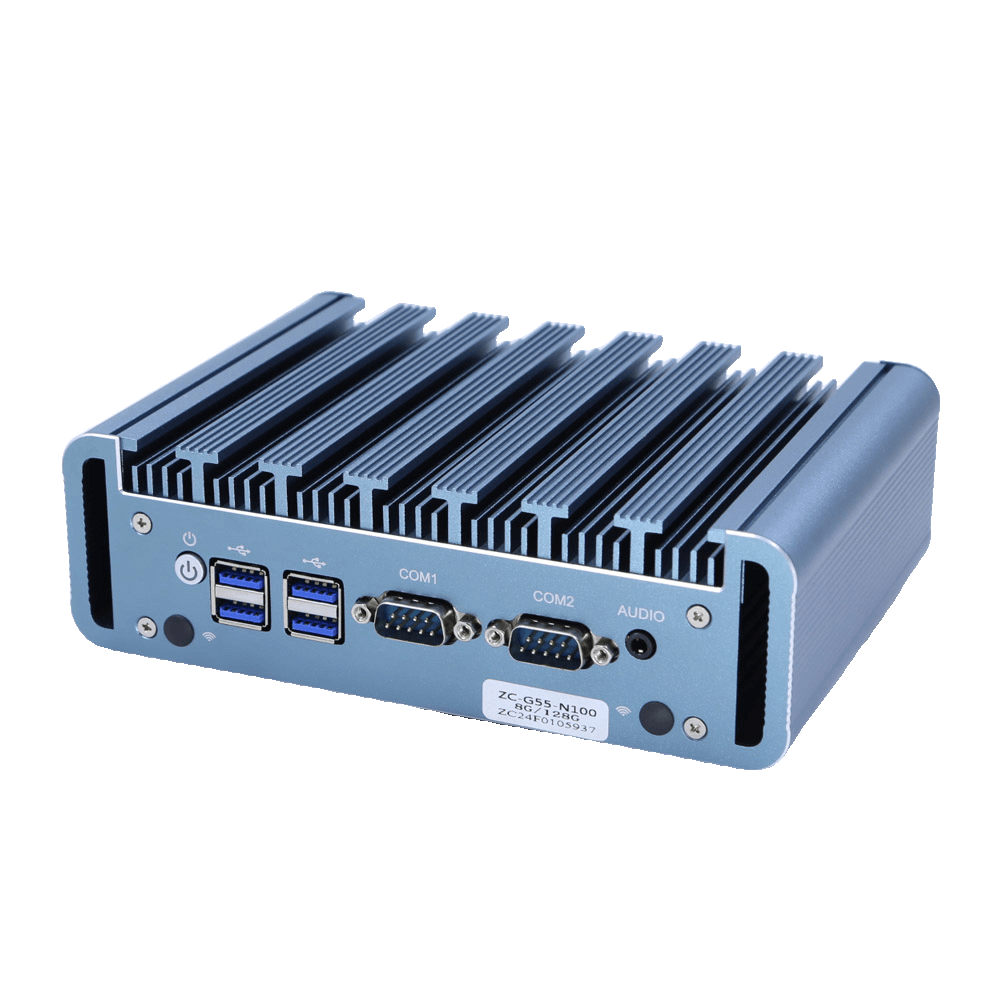
An Edge Computer is not merely a smaller server; it is a robust, often ruggedized computing device deployed physically close to the source of data generation—be it a factory floor, a retail store, a smart city intersection, or within a telecommunications cabinet. Unlike conventional setups where raw data travels hundreds or thousands of miles to a centralized cloud data center for analysis, the Edge Computer performs critical data processing, analytics, and decision-making locally, in near real-time. This fundamental shift from a "data transit" to a "data action" model at the source is unlocking new possibilities across industries.
The core advantages of deploying an Edge Computer are multifaceted. First and foremost is the drastic reduction in latency. Applications requiring instantaneous response, such as autonomous machinery, real-time quality control in manufacturing, or augmented reality, cannot afford the delays inherent in round-trip cloud communication. An Edge Computer processes information on the spot, enabling millisecond-level responses. Secondly, it alleviates immense network bandwidth pressure. By filtering, analyzing, and only sending relevant, processed insights to the cloud, an Edge Computer prevents network congestion and reduces data transmission costs. Thirdly, it enhances data privacy and security. Sensitive information can be anonymized, encrypted, or kept entirely local, complying with regional regulations and minimizing the attack surface associated with constant data movement.
The practical applications for the Edge Computer are vast and growing. In industrial settings, the Edge Computer is the brain of the smart factory. It analyzes video feeds for production defects, monitors equipment vibration for predictive maintenance, and controls robotic arms with precision—all without relying on a constant cloud connection. In the realm of smart cities, Edge Computers process data from traffic cameras and sensors to optimize signal timing dynamically, manage public lighting based on pedestrian presence, and monitor environmental conditions.
The retail sector leverages the Edge Computer to power personalized customer experiences. By processing in-store camera analytics locally, it can manage inventory in real-time, analyze customer footfall patterns, and enable cashier-less checkout systems while ensuring individual privacy. Similarly, in healthcare, portable diagnostic equipment with integrated Edge Computing capabilities can analyze medical images at the point of care, enabling faster diagnoses in remote locations without needing to upload large files.
The synergy between Edge Computing and Artificial Intelligence is particularly transformative. Running lightweight AI models directly on an Edge Computer—a concept known as AI at the edge—allows for smart, autonomous decision-making without latency. This enables advanced use cases like detecting safety violations on a construction site, guiding agricultural robots to weed specific plants, or providing real-time video analytics for security and surveillance.
However, deploying an Edge Computer infrastructure requires careful consideration. These devices must often operate in harsh, uncontrolled environments, necessitating rugged designs tolerant to extreme temperatures, dust, and vibration. Management and orchestration of thousands of distributed Edge Computing nodes present a significant operational challenge, requiring robust software solutions for remote deployment, monitoring, and updating. Furthermore, security must be built-in from the hardware up, as physical access to devices can be a greater risk.
Looking ahead, the proliferation of 5G networks will act as a powerful catalyst for Edge Computing. The high speed and low latency of 5G will complement the processing power of the Edge Computer, enabling more sophisticated and mobile-centric applications. We will see the evolution of a truly hybrid ecosystem where the Edge Computer handles time-sensitive, mission-critical tasks, while the cloud provides scalable storage, complex model training, and overarching business intelligence.
In conclusion, the Edge Computer is far more than a technological trend; it is an essential architectural component for the future of computing. By bringing processing power to where data is born, it solves critical challenges of latency, bandwidth, and privacy. As we continue to push the boundaries of the Internet of Things, autonomous systems, and real-time analytics, the role of the Edge Computer will only become more central. It represents a foundational shift toward a more intelligent, responsive, and efficient digital world, proving that sometimes, the most powerful processing happens not in a distant cloud, but right at the edge of action.